

8 Signs You Need Roof Repair After a Louisville Storm
Have a recent storm? Here are signs you need roof repair
Storms in Louisville can definitely leave behind some damage. Sometimes the problem is dramatic, like a tree limb on the roof or shingles scattered across the yard. Other times, the damage is subtle and easy to miss until the next rain finds its way inside. That is what makes post-storm roof issues so frustrating. A roof can look mostly fine from the driveway and still have weak points that need attention.
If your home was recently hit with high winds or hail, it is worth knowing what signs to watch for. Catching roof damage early can help you avoid larger repairs, interior water damage, and the headache of letting a small issue grow into a major one.
1. Missing or lifted shingles after a storm
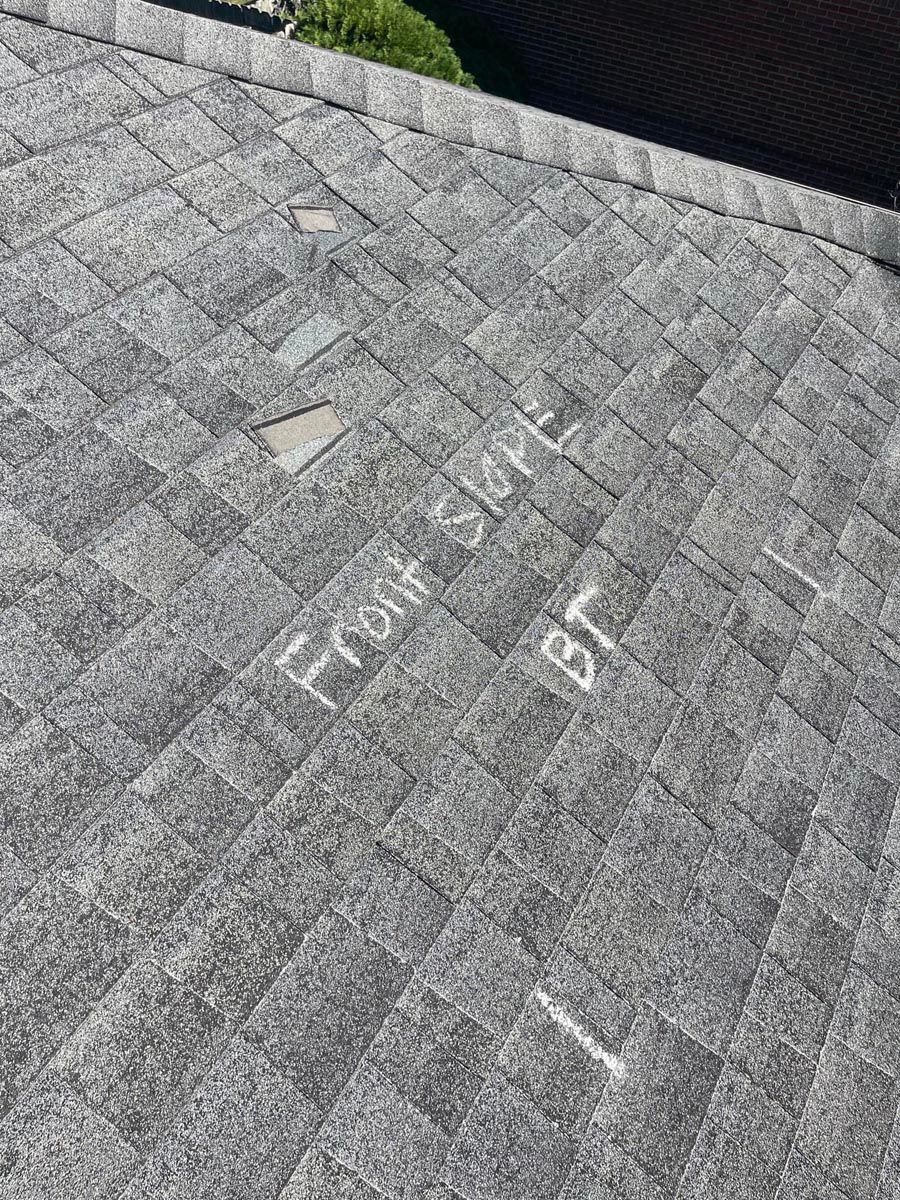
One of the clearest signs you need roof repair is missing shingles. Strong winds can tear shingles off completely or loosen them enough that they no longer seal properly. Even if the shingle is still attached, lifting or creasing can create an opening for water intrusion.
What to look for after a storm:
- Shingles in the yard
- Bare or patchy spots on the roof
- Shingles that appear crooked, lifted, or out of place
- Tabs that look bent or folded after wind
If shingles have been displaced, the roof is more vulnerable every time it rains.
2. Granules in gutters or around downspouts
After a storm, take a look at your gutters and the ground near downspout exits. If you notice a heavier-than-normal amount of granules, that can be a sign your shingles took a hit. Granule loss does not always mean the entire roof needs replacement, but it is often a warning that the protective surface of the shingle has been compromised.
This is especially important after hail, which can bruise shingles and knock away granules in concentrated areas.
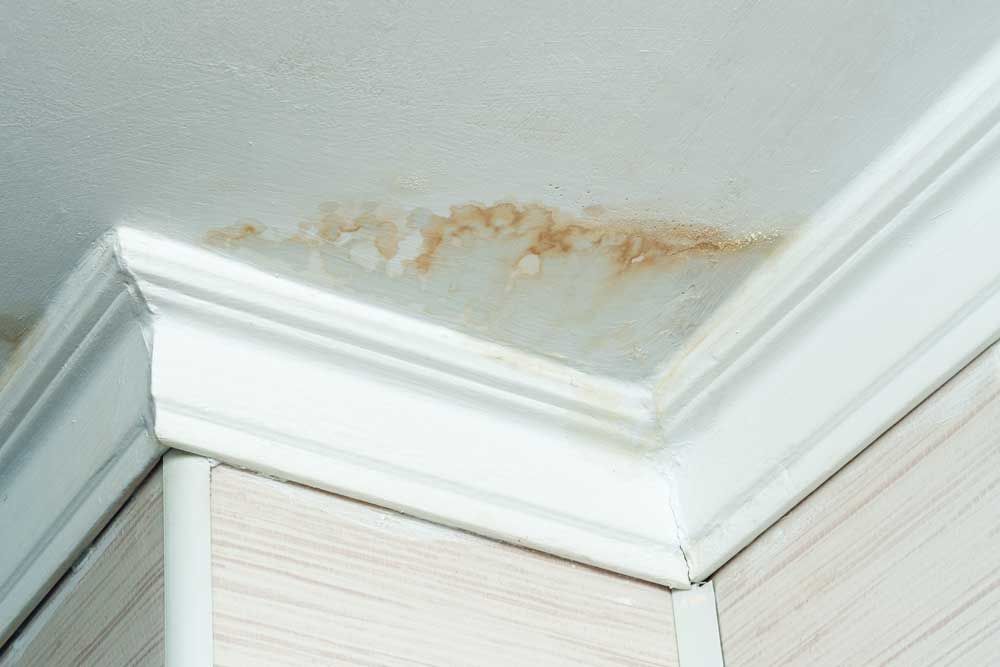
3. Ceiling stains or attic moisture
Not all storm damage shows up outside first. Sometimes the first clue is inside your home. A faint yellow or brown ceiling stain, damp insulation in the attic, or a musty smell after a storm can all point to a roof leak.
Common interior storm damage warning signs include:
- Water spots on ceilings or upper walls
- Bubbling paint or peeling drywall
- Damp attic insulation
- Dark staining on attic wood or roof decking
- A musty smell that gets worse after rain
If you see moisture indoors after a storm, do not assume it will dry up and disappear. Water has a way of returning once it finds an opening.
4. Damaged flashing around roof transitions
Flashing is one of the most common post-storm failure points on a roof. It protects the areas where shingles alone are not enough, such as around chimneys, skylights, vents, and where roof slopes meet walls or valleys.
Storm damage can loosen flashing, bend it, or expose small gaps that let water in. A roof can look fine at a glance while flashing damage silently creates the real leak source.
5. Roof leaks that seem to come out of nowhere
A roof leak does not always show up directly below the place where water entered. Water can travel along decking, framing, and insulation before it becomes visible on a ceiling. That is why a stain in one spot may actually trace back to damage somewhere else on the roof (even over another room).
If a leak appears right after a storm, that is a strong clue the roof needs attention. The safest assumption is that something was compromised and should be inspected.

6. Hail dents and impact damage
Hail doesn’t have to punch an actual hole through the roof to cause trouble. Smaller hail can still damage shingles, vents, flashing, gutters, and soft metal components. If your area was hit by hail, look for:
- Dents on gutters or downspouts
- Dings
on roof vents or flashing
- Damaged roof caps
- Concentrated shingle wear in one area
Even if leaks have not started yet, hail damage can shorten the life of the roof and lead to future problems.
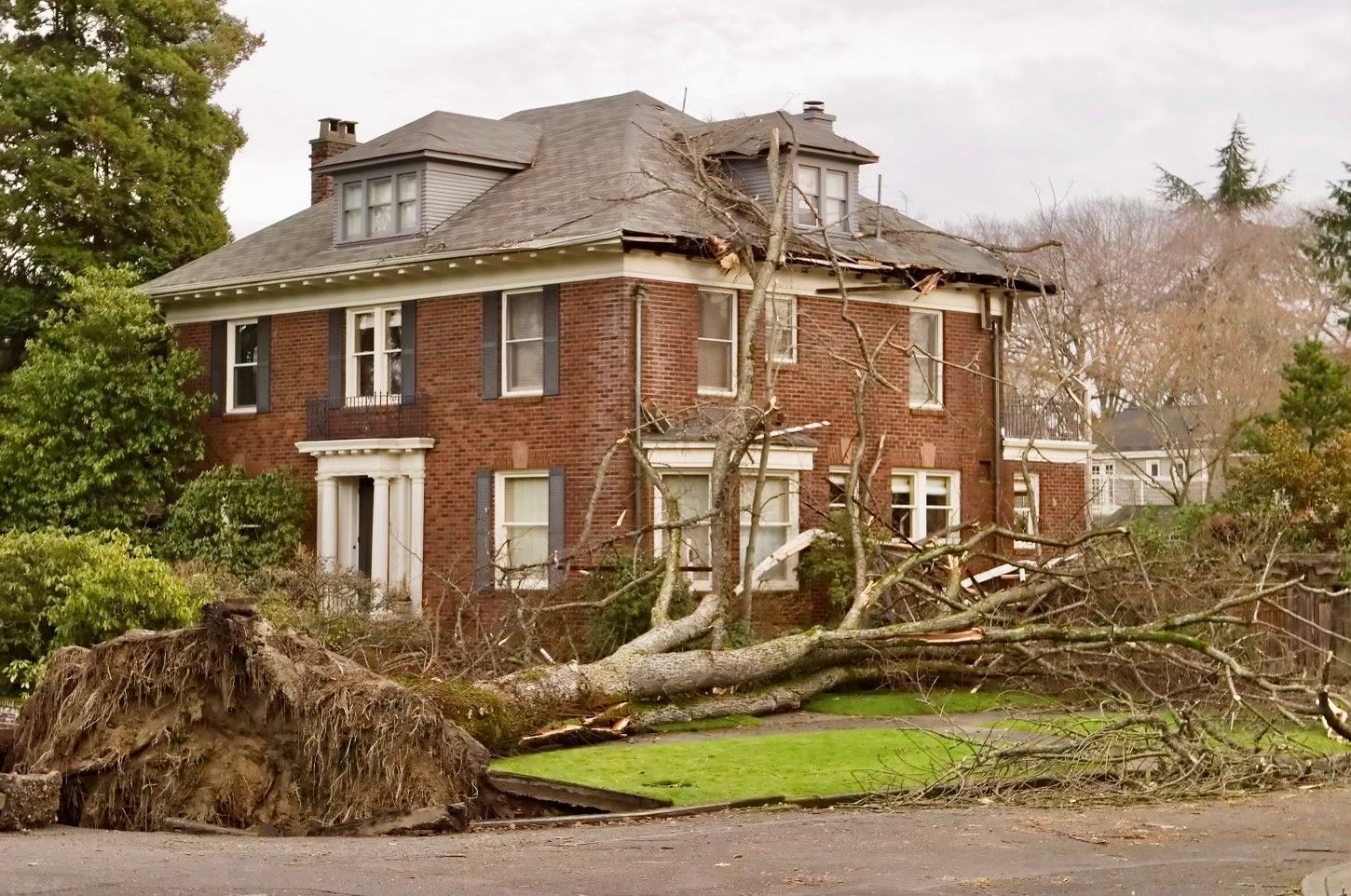
7. Tree limbs, debris, and clogged valleys
Louisville storms often bring more than rain. Branches, leaves, and debris can pile up in roof valleys and gutters or scrape across shingles during high winds. A larger limb may create immediate visible damage, but even smaller debris can trap moisture and block drainage.
Roof valleys deserve special attention because they carry a high volume of water. If storm debris builds up there, water can back up into vulnerable areas.
8. Sagging, soft spots, or structural concerns
This is the sign homeowners should never ignore. If part of the roofline looks uneven, if the decking feels soft, or if you see sagging in the ceiling after a storm, the issue may be more than cosmetic. Water intrusion and storm impact can create structural concerns that should be addressed sooner rather than later.
This type of damage is not a wait-and-see scenario.
When you should call for emergency roof repair
Some roof damage can wait for a scheduled repair visit. Some cannot. Call for urgent help if:
- Water is actively dripping inside
- A ceiling bubble is forming or drywall is sagging
- Tree limbs or debris have punctured the roof
- Large areas of shingles are missing
- The roof has been opened up to the elements
In those cases, the priority is preventing additional damage while a permanent repair plan is put in place.
Why a post-storm roof inspection is worth it
One of the hardest parts of storm damage is that homeowners often do not know whether they are dealing with a small repair or a bigger issue. That is where a professional inspection matters. It helps answer the questions that are difficult to solve from the ground:
- Is the damage isolated or widespread?
- Is it repairable?
- Is there hidden moisture intrusion?
- Is this something insurance may need to be involved in?
A
post-storm inspection gives you a clearer path forward and helps you act before the next storm makes things worse.
Schedule Roof Repair After a Louisville Storm
If your home was hit by wind, hail, or heavy rain, do not wait until a small issue turns into a bigger one. Falls City can help you identify storm damage, explain your options, and recommend the right next step for your roof.