

How to Spot a Roof Leak: Signs of Roof Damage and Water Intrusion
A roof leak rarely starts as a dramatic waterfall in the living room. More often, it begins as a small, easy-to-miss sign: a faint ceiling stain, a musty smell after heavy rain, or paint that starts to bubble for “no reason.” The problem is that water does not stay polite. If left alone, it can soak insulation, weaken materials, and create the kind of damp conditions where mold becomes a real concern.
If you live in the Louisville and Kentuckiana area, storms can turn small vulnerabilities into leaks quite quickly. Knowing what to look for can help you catch roof damage early, before it turns into a bigger repair inside your home.
First, know this: the leak spot is not always the problem spot
One of the most misleading parts of roof leaks is that the water you see inside the house is not always directly beneath the point where it entered. Water can travel along roof decking, rafters, insulation, and even drywall before it finally shows up as a stain. That is why roof leaks can seem “random,” especially after wind-driven rain.
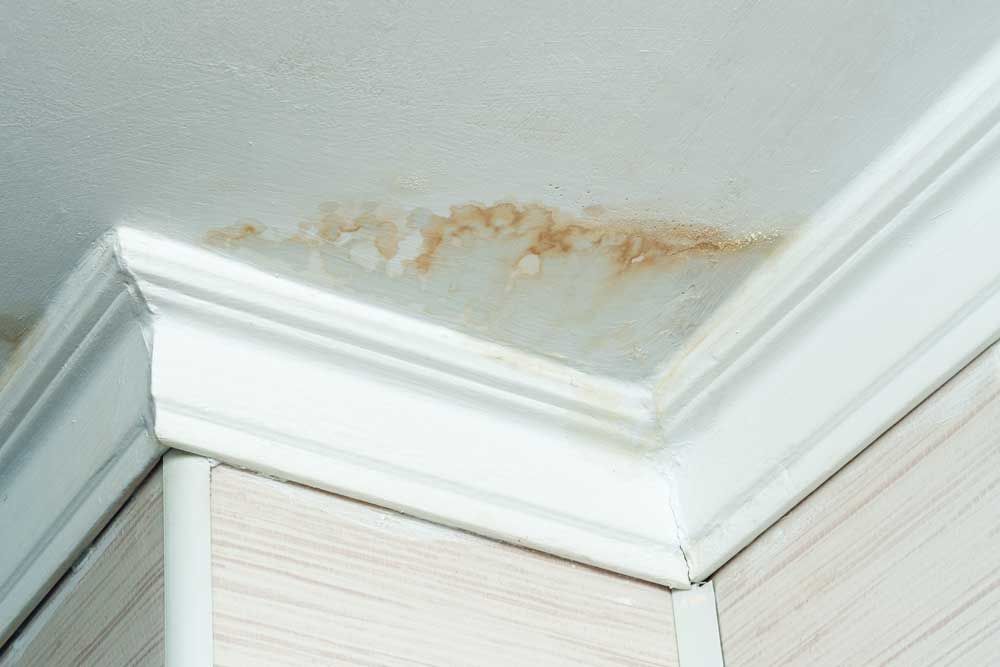
10 Common Signs of Roof Damage Water Leaks
Use this as a practical checklist. One sign does not always confirm a roof leak, but multiple signs should raise your confidence that something needs attention.
1. Ceiling stains or discoloration
Look for yellow, brown, or rust-colored rings on ceilings or upper walls. Even small stains can indicate ongoing moisture.
2. Bubbling paint or peeling surfaces
When drywall absorbs moisture, paint can blister, peel, or bubble. Wallpaper may loosen or wrinkle for the same reason.
3. A ceiling “bubble” or sagging drywall
This is a higher-urgency sign. It can mean water is pooling above the drywall. If it collapses, you may be dealing with a sudden mess and more interior damage.
4. Musty smells, especially after storms
A musty odor in an upstairs hallway, closet, or attic can be a clue that moisture is present even when you cannot see it.
5. Wet or clumped attic insulation
If insulation is damp, heavy, or packed down, it has likely absorbed water. That can reduce energy performance and keep materials wet longer than you realize.
6. Dark staining on attic wood or roof decking
In the attic, look for dark streaks, spots, or areas that appear damp. This can point to repeated moisture exposure.
7. Drips or moisture around vents and penetrations
Roof penetrations include plumbing vent pipes, bathroom fan vents, skylights, and chimneys. These areas rely on flashing and sealing, which are common failure points over time.
8. Missing, cracked, curled, or lifted shingles
Shingle damage can allow water to work underneath the roofing material, especially during wind-driven rain.
9. Granules collecting in gutters or at downspout exits
A noticeable increase in shingle granules can signal shingle wear or storm impact. Granules alone do not automatically mean “replace the roof,” but they do suggest the roof deserves a closer look.
10. Leak patterns that worsen during rain, wind, or ice
If stains grow after storms or during certain wind directions, that pattern can help narrow down roof-related entry points.
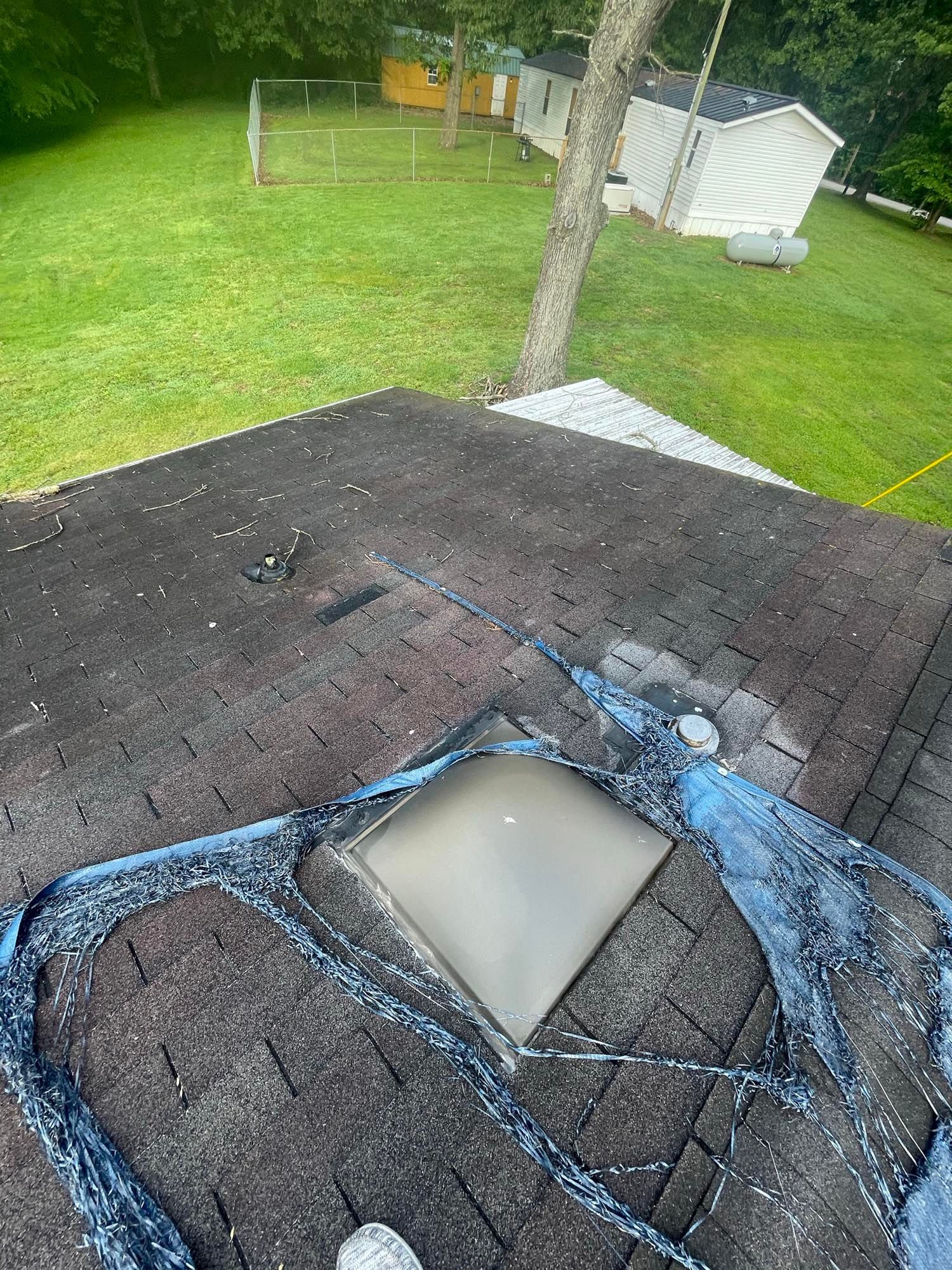
Roof Leak or Plumbing Leak? A quick reality check
Not every ceiling stain is a roof problem. Before you assume, consider these clues:
- Location matters: stains near exterior walls, chimneys, or the attic often point to the roof. Stains under bathrooms or near HVAC lines might be plumbing or condensation.
- Timing matters: if the stain grows after rainfall or storms, roof involvement becomes more likely.
- Attic clues matter: if the attic shows damp wood, wet insulation, or visible drips after rain, that is strong evidence the roof is involved.
- If you are unsure, do not guess. A professional inspection is usually cheaper than letting water continue to work quietly.
What To Do The Moment You Suspect a Roof Leak
When water is involved, time is of the essence, and speed helps. Here is a safe, homeowner-friendly approach:
- Protect the area inside: Move valuables, use buckets, and put towels down to limit damage.
- Document what you see: Take photos of stains, ceiling bubbles, wet insulation, or visible dripping.
- Avoid climbing on the roof: Storm-damaged roofs can be slick and unstable.
- Get it inspected quickly: Stopping water intrusion early can help reduce the risk of lingering moisture problems. If you want a professional inspection in the Louisville area, start here:
When a Roof Leak Becomes An Emergency
Treat it as urgent if you notice any of the following:
- Active dripping or water running inside
- A ceiling bubble or sagging drywall
- Wet insulation or visible attic dripping
- Water near electrical fixtures, outlets, or breaker panels
- Storm damage that may have opened the roof system
- If your roof is actively leaking or storm-damaged, Falls City offers 24/7 emergency help: https://www.fallscitycontracting.com/emergency-roof-repair
If You Suspect a Roof Leak or Damage, Don’t “wait and see”
Homeowners often delay because the leak seems small, or because it only shows up during heavy rain. The problem is that repeated wetting cycles can:
- Damage insulation and reduce comfort and efficiency
- Create recurring ceiling stains that keep returning
- Weaken wood over time
- Increase the chance of mold and lingering odors
A minor roof issue can stay a minor roof issue, but only if it gets addressed while it is still minor.
The Simplest Next Step: Get a Professional Roof Inspection
If you are seeing any of the signs above, the best move is a professional inspection. It clarifies whether you are dealing with roof damage, how urgent it is, and what the smartest fix looks like.
If you are ready to talk through what you are seeing, you can contact Falls City.