

Where Can Roofs Leak? Common Leak Spots | Falls City Contracting
A roof leak rarely starts as a dramatic waterfall in the living room. More often, it begins as a small weakness at a seam, edge, or penetration, then grows into ceiling stains, damp insulation, and expensive repairs.
If you’re wondering where your roof can leak, the short answer is: almost anywhere water can exploit a break in the roof system. The more useful answer is knowing the most common leak locations, what they look like, and when to call for help.
If you’re in Louisville or the surrounding Kentuckiana area and you suspect an active leak, don’t wait for the next heavy rain.
Contact Falls City for an inspection.
10 Leak Spots Common in Homes
1. Shingles and shingle field damage
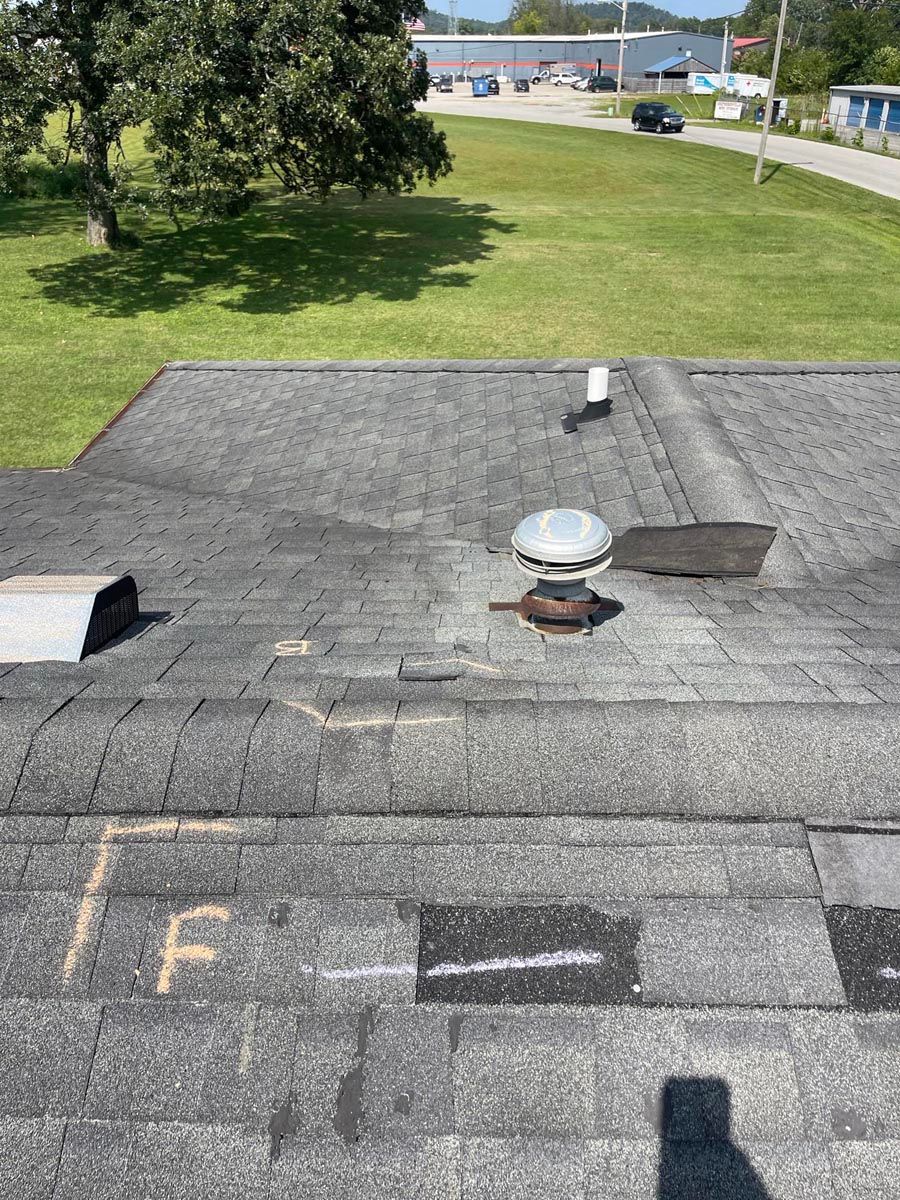
Shingles are the first line of defense on most residential roofs. When shingles crack, lift, curl, blister, or go missing, water can get underneath and reach the decking. Wind-driven rain is especially good at finding small openings along lifted shingle edges.
What you might notice: missing shingles on the ground, bare spots, granules building up in gutters, or a leak after a windy storm.
2.Roof valleys
Valleys are the channels where two roof slopes meet, so they concentrate water flow. They also tend to collect debris (leaves, sticks), which can slow drainage and push water where it doesn’t belong. If your roof has multiple slopes, valleys are a top place to inspect when tracking a leak.
3. Flashing failures
Flashing is the metal detailing used to seal roof joints, transitions, and penetrations. When flashing loosens, rusts, separates, or was installed poorly in the first place, water can slip behind it and travel into the roof system. This is one of the most common reasons leaks show up even when shingles look “mostly fine.”
4. Chimneys
A chimney is a large interruption through the roofline, and it relies heavily on correct flashing and good masonry condition. Leaks can form at the chimney flashing, at corners, or when mortar and brick deterioration creates pathways for moisture. If a ceiling stain appears near a fireplace wall or chimney chase, this is a prime suspect.
5. Plumbing vents and pipe boots
Those small pipes sticking through the roof are surrounded by boots and seals that age over time. Rubber can crack or shrink, fasteners can loosen, and seams can separate. This is a “small part, big leak” situation, and it is common on aging roofs.
6. Skylights
Skylights can leak around the frame, flashing, or seals, especially after storms or as materials age. Some skylight leaks also show up later because water follows framing before it becomes visible. If you have a skylight and notice staining nearby, it is worth getting it checked sooner rather than later.
7. Roof-to-wall transitions and step flashing
Anywhere a roof meets a vertical wall (like a second-story wall, dormer, or sidewall) is a complicated detail that depends on proper step flashing and water management. These areas can leak if flashing is missing, damaged, or incorrectly layered with the siding and underlayment.
8. Gutters and drainage problems
Gutters don’t just protect landscaping and foundations. When gutters clog, overflow, or back up, water can work under shingles near the roof edge or run into fascia and soffit areas. In colder conditions, clogged drainage can contribute to ice and water backup issues as well.
9. The attic tells the truth (even when the ceiling hides it)
Sometimes the first visible evidence of a roof leak is in the attic, not the living space. Attics can show water staining on decking, damp insulation, musty smells, or even daylight through gaps. If you can safely check your attic, it is often the fastest way to confirm whether you’re dealing with active moisture.
10. “False leaks” from condensation and ventilation issues
Not every moisture problem is rainwater. Poor attic ventilation and temperature differences can lead to condensation that mimics a roof leak. That is one reason professional diagnosis matters: the fix is very different depending on whether you’re dealing with water intrusion or trapped humidity.
What To Do If You Think Your Roof Is Leaking
- Don’t climb onto the roof in wet, windy, or storm-damaged conditions.
- Document what you can from the ground and indoors (stains, drips, attic moisture if accessible).
- Act quickly when the leak is active. Early stabilization can help limit interior damage.
- Get an inspection to pinpoint the source. Water can travel before it appears inside, which is why the stain location is not always the entry point.
-
Schedule a professional inspection or request help here: