

Hail Damage To A Roof? What Louisville Homeowners Should Do Next
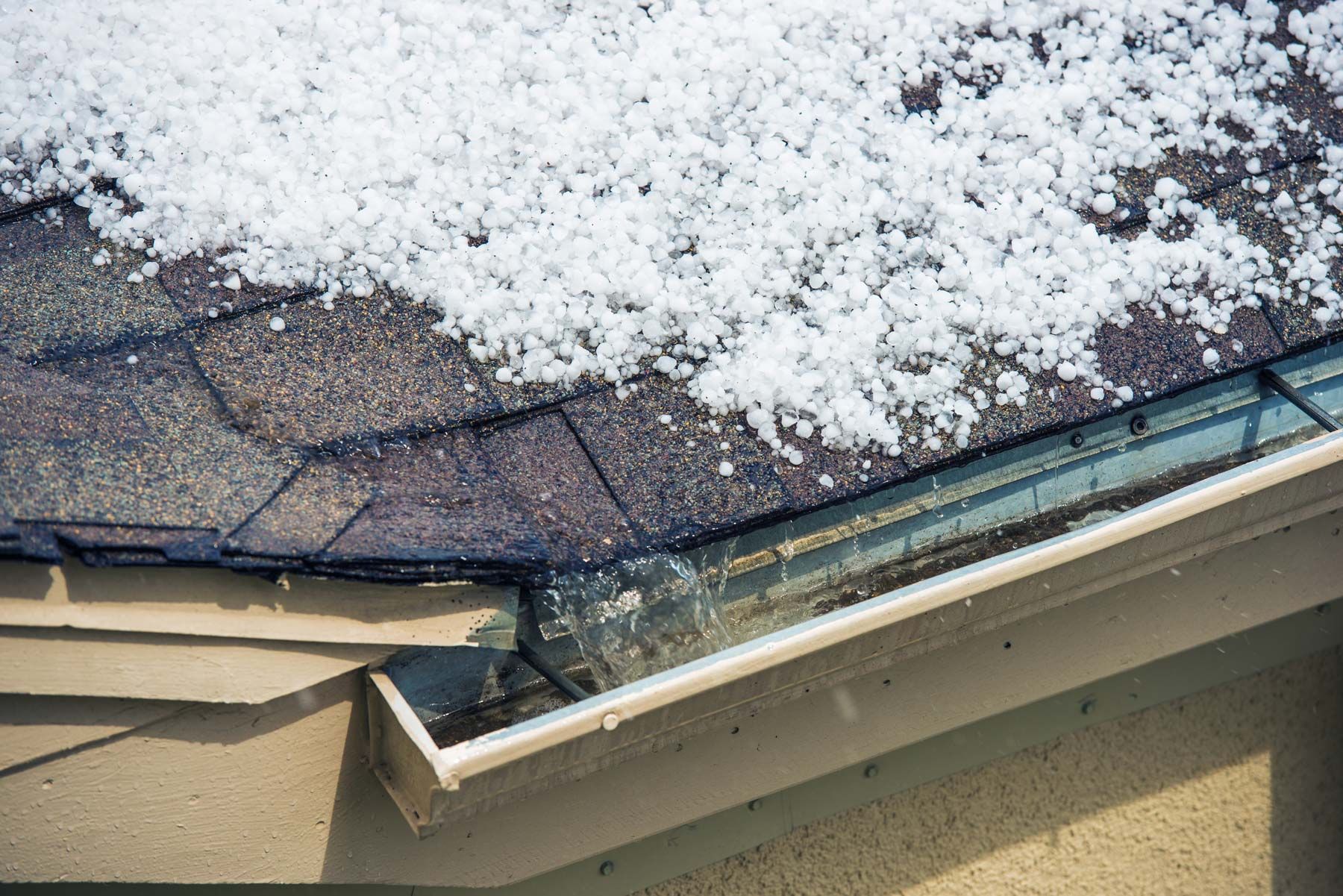
Hail damage can be deceptive. Sometimes it leaves obvious dents on gutters, downspouts, and vents. Other times, the roof looks fine from the ground even though shingles took a beating. That is what makes hail frustrating for homeowners. The damage is not always dramatic, but it can still shorten the life of your roof and create leak risks later.
If your home was hit by hail in the Louisville area, the most important thing is not to guess. A calm, step-by-step response will help you protect your home, document what matters, and avoid making a small problem worse.
Step 1: Stay off the roof and start with a safe visual check
The first thing to do after a hailstorm is simple: stay safe. Wet roofs are slippery, and storm damage can make walking surfaces even more dangerous. Do not climb up to just take a quick look.
What to look for on your roof after a hailstorm:
- Dents on gutters, downspouts, flashing, or roof vents
- Damaged window screens or cracked exterior fixtures
- Shingle pieces or debris in the yard
- Granules collecting at downspout exits
- New ceiling stains or moisture indoors
If you can safely view your attic, look for dark spots on the decking, damp insulation, or signs of fresh water intrusion.
Step 2: Document what you see right away
If hail damage is visible, document it before anything changes. Take clear photos of:
- Dented gutters, flashing, and metal components
- Shingle debris or visible storm-related mess around the property
- Interior ceiling stains or attic moisture
- Any cracked vents, displaced materials, or impact points you can safely see
Good documentation helps in two ways. First, it gives your roofer a better starting point. Second, it gives you a clearer record if the damage turns into an insurance conversation.
Step 3: Know the signs of hail damage on a roof
Hail might knock shingles off the roof, or it may not. In many cases, it leaves damage that is easy to miss unless you know what to look for.
Common hail damage signs include:
- Bruised or softened areas on shingles
- Concentrated granule loss
- Cracks or fractures in shingles
- Dents on flashing, vents, and roof penetrations
- Damage that is concentrated on one slope more than another
This is one reason hail damage is often confused with normal aging. A homeowner may see wear and assume it is simply due to the age of the roof, while the real issue is storm impact that changed the roof’s ability to shed water properly.
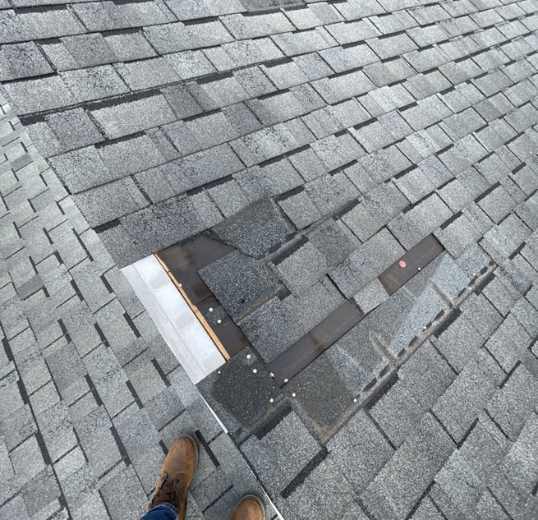
Step 4: Do not wait for an active leak
A common mistake after hail is waiting until the ceiling starts dripping. By then, the damage has already moved beyond the outer roof surface. Water may have found its way into underlayment, decking, insulation, or drywall.
Hail damage should be addressed before the next storm tests the same weak spot. Even if the roof is not leaking today, the damage may still need repair.
Step 5: Schedule a professional roof inspection
If your property was hit by hail, the best next move is a professional roof inspection. A proper inspection helps answer the questions homeowners usually cannot solve from the ground:
- Is the damage isolated or widespread?
- Is it repairable?
- Is replacement the smarter long-term move?
- Is there hidden moisture intrusion?
- Are other roof components involved, such as flashing or vents?
A roof inspection gives you clarity, which is especially important after a storm when everything feels uncertain.
If you want to schedule an inspection with Falls City Contracting, start here.
Step 6: Understand repair vs. replacement
A hail-damaged roof is not an automatic replacement scenario. In some cases, the damage is limited to certain areas and can be addressed with targeted repairs. In other cases, the damage is spread across multiple slopes or affects a roof that was already near the end of its service life.
That is why a step-by-step process matters. If the roof can be repaired responsibly, great. If replacement is the better investment, it is better to know that now than after spending money on temporary fixes that won’t last.
Step 7: If needed, be prepared for the insurance side
Not every hail event turns into an insurance claim, but some do. If the damage is significant, documentation and timing matter. Photos, inspection findings, and a clear understanding of the damage can make the process less confusing.
The key is not to let paperwork delay action if the roof is actively compromised. Preventing additional damage still comes first.
Do trees matter after hail? More than you might think
Hail is not always the only problem a storm creates. High winds and saturated soil can weaken trees and heavy limbs, creating a second wave of risk for your roof. A branch that did not fall during the storm may still be a threat afterward.
If you are curious about a potential problem tree near your home or over your roof,
you can learn more here.

When to call for emergency roof help
Some hail damage can wait for a scheduled inspection. Some situations are more urgent. Call right away if:
- Water is actively dripping inside
- A ceiling bubble or sagging drywall appears
- Hail damage is combined with missing shingles or debris impact
- Roof penetrations, vents, or flashing were visibly damaged
- The roof has been opened to the elements in any way
The goal in these cases is to prevent more interior damage while a permanent repair plan is put together.
What Louisville homeowners should remember after a hailstorm
The biggest takeaway is this: do not rely on a driveway glance. Hail damage is often subtle, and the roof can be compromised even when it still looks okay. The smartest response is to document what you can, stay off the roof, and get a professional inspection before the next round of weather makes things worse.
Schedule Hail Damage Roof Help in Louisville
If your home was hit by hail and you are not sure what condition your roof is in, Falls City can help you sort it out. An inspection can tell you whether you are looking at a repair, a bigger restoration plan, or the need for replacement.